Commercial Cleaning Experts Brampton
Professional sanitation and food hygiene professionals in Brampton assist restaurants, food centers, baking facilities, warehouses, and food service operations maintaining standards. They decontaminate regularly touched surfaces, food contact areas, equipment, floors, drains, restrooms, and food handling spaces with approved chemicals, at correct dilution, and documenting contact times. You need regular sanitation determined by hazard level, volume, allergens, and regulatory assessments, along with verification records that support HACCP, audits, and regulatory adherence. The sections below explains how effective cleaning systems must contain.
Key Takeaways
- Sanitation technicians from Brampton work with restaurants, grocery departments, commissaries, warehouses, bakeries, schools, mobile vendors, and allergen-sensitive operations.
- Sectional methods sanitize high-touch surfaces, food-contact equipment, kitchens, floors, drains, restrooms, and storage areas for preventing cross-contamination.
- Proper chemical concentration, compatibility, and exposure duration are checked by certified contractors, with conclusion documented via checks, assessments, and corrective-action records.
- Everyday, periodic, and annual tasks designated by location constitute hygiene schedules grounded on risk, throughput, format changes, accidents, and regulations.
- Coverage, color-categorized equipment, hazard analysis knowledge, public-health competency, WHMIS training, testimonials, and compliance-ready sanitation records are vital provider attributes.
Food Safety Cleaning Requirements for Brampton Operations
Food Brampton Commercial Cleaning Services safety cleaning is essential for any Brampton facility that manages, stores, prepares, packages, or distributes food. Apply it to your operation if it is subject to public health review, food regulations, or HACCP protocols. This includes restaurants, cafeterias, commissaries, grocery food departments, butcher shops, seafood counters, convenience stores, and institutional kitchens.
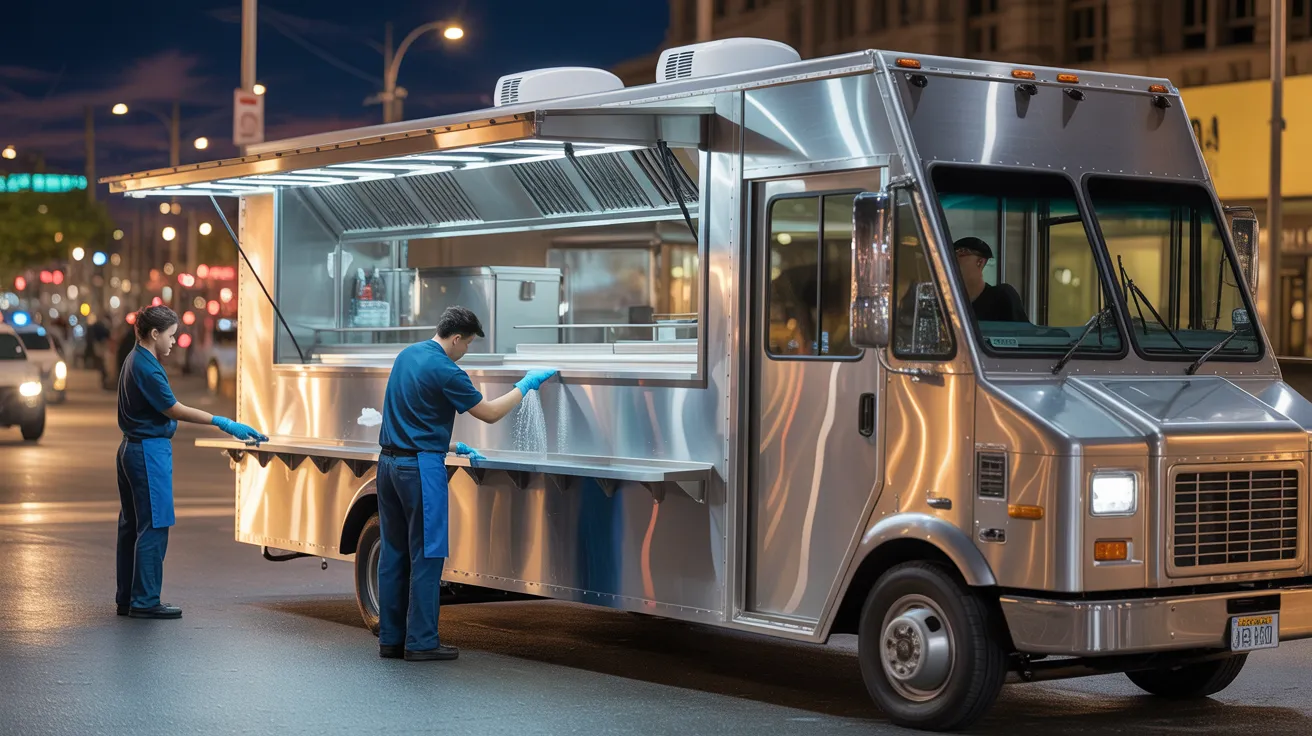
Proper hygiene protocols proves essential in supply warehouses, processing plants, freezer locations, commercial bakeries, school food programs, reception facilities, and food delivery centers. Seasonal and mobile businesses matter as well, examples being mobile kitchens, market vendors, and seasonal booths. Your location needs documented cleaning protocols if your employees handle raw materials, divide prepared dishes, warm meals, or keep allergens stored. In Brampton, food safety remains not discretionary; it forms part of statutory, functional, and public health adherence.
Which Areas Do Brampton Cleaning Experts Cover?
Your operation needs cleaning professionals who sanitize all high-touch areas, kitchens, all floor types, and toilet facilities to maintain food safety compliance and public health standards. These specific areas are emphasized because they represent the most significant contamination risk, trip and slip dangers, and breaches of sanitation codes.
When you understand what they clean, you can verify that your facility's cleaning scope meets operational and regulatory requirements.
Key High-Touch Surface Disinfection
organize sterilization schedules considering usage patterns, exposure levels, and facility operations.
verify that sterilization is successful and facilitate remedial steps when results come outside required standards
Kitchens, Floors, and Restrooms
Professional cleaners in Brampton prioritize kitchens, floors, and restrooms given that each location involves specific contamination control, slip-and-fall, and health code requirements. In industrial kitchens, you need grease removal from cooking stations, appliance surfaces, drain systems, preparation areas, and backsplashes to minimize contamination and pest pressure.
Documented floor maintenance is also provided as part of the service.
In restrooms, cleaners disinfect touchpoints, fixtures, partitions, dispensers, and waste containers then restock supplies and control odours. They also maintain restaurant cleaning supply rooms where product storage, sink cleanliness, and drain systems impact daily sanitation standards and worker protection.
How Food Safety Cleaning Benefits Brampton Operations
In Brampton, you must maintain food-safe cleaning standards to meet health code requirements and pass inspections. You also reduce cross-contamination by cleaning and sanitizing food-contact surfaces, equipment, and high-touch areas correctly. Most importantly, you safeguard community wellness by reducing the chance of food poisoning in your establishment.
Health Code Compliance
Food companies in Brampton face rigorous sanitary regulations, making food safety cleaning essential to meeting health code requirements, protecting patrons, and avoiding enforcement action. You must maintain sanitary food-contact surfaces, verifiable cleaning logs, correct sanitizer application, and auditable operational standards that align with municipal and provincial inspection expectations.
Should your cleaning standards weaken, you risk infractions, remedial directives, public perception issues, and operational suspension during additional reviews or regulatory reviews.
Cross-Contamination Prevention
Maintaining regulatory compliance copyrights on your capacity to prevent cross-contamination during daily food handling and cleaning. You need to partition uncooked items from finished dishes, sanitize prep surfaces between tasks, and store chemicals away from food-contact items. Clear procedures reduce transfer risks and support consistent compliance during inspections.
Implementing allergen segregation helps ensure major allergens don't touch shared surfaces, containers, or equipment. Utilize separate boards, color-labeled items, and strict utensil labeling so workers don't combine products while preparing or distributing. Enforce hand hygiene following fresh proteins, aquatic items, egg products, or allergen materials. Replace wiping cloths regularly, and validate disinfectant levels using test strips. When your team learns these guidelines per shift, you create a cleaner, safer operation that meets Brampton's food safety expectations regularly.
Public Health Safeguarding
Should food safety cleaning collapse, you don't simply encounter inspection problems—you expand the odds of foodborne illness impacting customers, staff, and the wider Brampton population. You also undermine your responsibility in protecting public health, especially in high-traffic food premises where contamination can spread quickly through surfaces, equipment, and touchpoints.
You must implement sanitation protocols that remove soils, properly disinfect, and verify results. This involves maintaining contact periods, deploying approved disinfectants, maintaining records, and coaching staff to fulfill health-unit expectations. These actions support disease prevention by suppressing pathogens before contaminating food or hands. In Brampton, robust sanitation shields vulnerable populations, curtails outbreak likelihood, and proves your diligence. When you adhere to proper protocols, you exceed requirements—you meaningfully lower danger and promote secure food service throughout the city.
How Does Cleaning Support Food Safety Compliance?
Implementing rigorous cleaning routines improves food safety compliance by decreasing contamination threats, preventing pathogen multiplication, and keeping your facility aligned with sanitation requirements under HACCP-based programs and public health regulations. You validate that product-contact areas stay visibly clean and microbiologically controlled, supporting documented preventive controls and inspection readiness.
Systematic cleaning also strengthens allergen control by clearing residues that can trigger undeclared allergen exposure. When you integrate validated sanitation procedures with compliance training, your staff can implement uniform procedures, handle approved chemicals properly, update records accurately, and handle variations prior to issues intensify. Systematic cleaning promotes audit trails, validates remedial measures, and shows due diligence when audited. Furthermore, it aids you maintain product quality, sustain operational compliance, and decrease the possibility of regulatory actions, product recalls, formal complaints, and preventable safety threats.
How Do You Arrange Commercial Cleaning Work?
Step up cleaning pace during high-volume production, equipment changeovers, spill incidents, and following maintenance work.
Seasonal deep cleaning should be scheduled for shutdowns, weather-related soil buildup, or pest-pressure periods
How Do You Choose Brampton Cleaning Experts?
Begin by evaluating providers based on food-safe sanitation requirements—not solely on budget. You should confirm that each organization comprehends CFIA, public health, and HACCP-aligned expectations applicable to your facility. Request insurance certificates, WHMIS compliance, staff training documentation, and oversight procedures. Assess whether technicians recognize cross-contamination hazards, chemical handling protocols, and verifiable sanitation records.
Additionally, you need to evaluate service dependability and accountability. Obtain references from food facilities in Brampton, then review service speed, corrective measures, and communication standards. Verify the company conducts supplier reviews and can deliver compliance-ready records when inspectors or external parties need proof. Verify equipment upkeep, color-coded equipment are applied correctly, and location-specific dangers are identified. A qualified provider ensures compliance, product quality, and your brand reputation.
What does a Food Safety Cleaning Plan consist of?
Establish a documented program that establishes every sanitation task, standard, and responsibility ahead of production commencement. You should list cleaning frequencies, approved chemicals, dilution rates, contact times, tools, and verification methods for each zone, surface, and piece of equipment. Make sure to include pre-operational inspections, corrective actions, and employee training requirements.
Your plan should also address cross-contamination controls, waste handling, pest-prevention measures, and documented schedules for facilities, drains, flooring, and food-preparation surfaces. Specify how you'll distinguish between uncooked and prepared items, facilitate ingredient tracking, and maintain accurate allergen labeling through validated cleaning between product changes. You should establish accountability, keep signed records, and evaluate results against regulatory standards, HACCP controls, and customer requirements. When gaps appear, update procedures immediately and instruct staff.
Frequently Posed Questions
Will sanitation providers handle nighttime hours at Brampton facilities?
Yes, you can schedule cleaning services to support nighttime operations in Brampton facilities. You'll coordinate overnight sanitation around production windows, security measures, and personnel needs. Providers typically map nightshift logistics to minimize interruption, ensure adherence, and document completed tasks. You should verify arrival timeframes, supervision, access protocols, and waste handling before service begins.
Are emergency spill response solutions provided from Brampton cleaning experts?
Yes, you can find many Brampton sanitation professionals who offer emergency spill response solutions. They handle contamination, assess risks, contain contamination, and begin swift cleanup to reduce exposure and prevent business interruption. You should verify arrival timeframes, training certifications, safety procedures, and waste management. If your facility must meet regulatory requirements, select a service that records events, maintains regulatory procedures, and enables compliance verification.
Can plant-based disinfectants be deployed safely on food-handling equipment?
In essence, eco-friendly disinfectants remain safe for food-handling equipment provided you buy items marked food-safe that satisfy regulatory requirements. Validate exposure duration, concentration levels, and rinse requirements prior to application. Botanical formulations reduce harsh chemical exposure, although you need demonstration of efficacy against harmful bacteria. To keep residue-free areas, follow manufacturer instructions exactly and validate the cleaning agent complies with applicable food industry sanitation standards.
Do sanitation programs permit seasonal shifts?
Yes, you can adjust cleaning plans for seasonal variations. You should revise timing, staffing, chemicals, and testing procedures to align with operational cycles while upholding compliance standards. You'll decrease production interruptions by scheduling cleaning around line changes, maximum output, and usage cycles. You should additionally revise procedural documents, training, and monitoring protocols to account for transient threats, novel allergens, or increased soil loads. Ongoing evaluations preserve your strategy functional.
Are professional cleaning companies providing employee instruction on sanitation best practices?
Absolutely, commercial cleaners regularly deliver staff training on sanitation best practices. Your staff receives instruction on proper chemical use, contact times, contamination avoidance, equipment disassembly, and documentation. They generally match instruction with HACCP, GMP, and CFIA or local public health requirements. Many conduct health inspections to verify compliance, identify gaps, and reinforce corrective actions. This enables you to sustain uniform standards, clear audits, and reduce food safety risks routinely.
Summary
When you partner with Brampton food safety and commercial cleaning specialists, you don't just tidy up—you keep your operation inspection-ready and your protocols above board. From processing areas to kitchen spaces, every clean surface and maintained area minimizes pest intrusion and prevent costly setbacks. By arranging cleanings at the proper frequency and adhering to a detailed cleaning schedule, you protect staff, patrons, and your brand image. In a strict regulatory setting, clean spaces aren't optional—they're fundamental to proper operations.